Dubai History Guide: Ancient Origins, Creek, Treaties, Oil, UAE, Modern Landmarks
Explore Dubai’s history from Bedouin origins and pearl diving to the Al Maktoum dynasty, British treaties, oil-era infrastructure, UAE formation, and modern icons like Burj Khalifa.
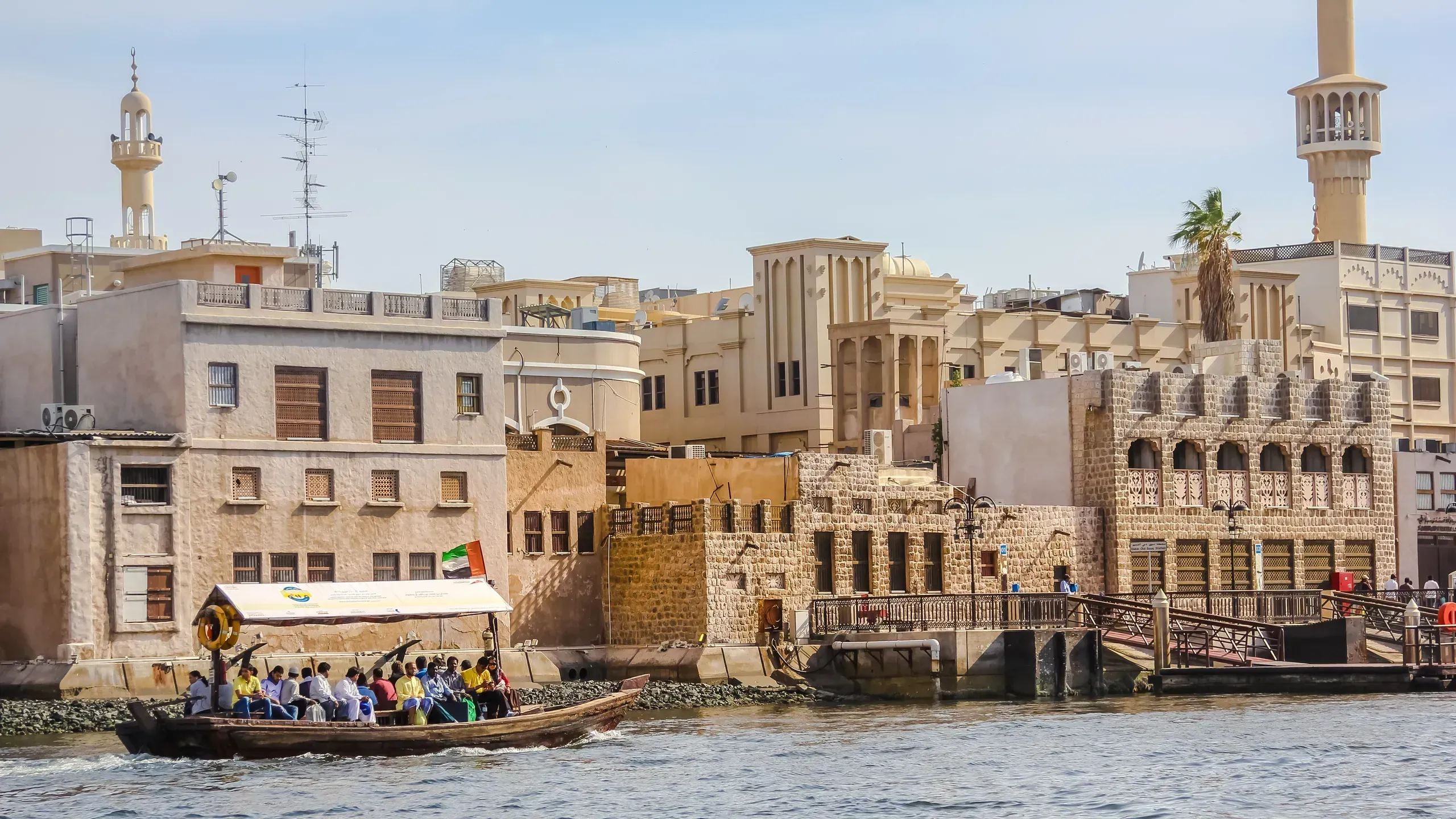
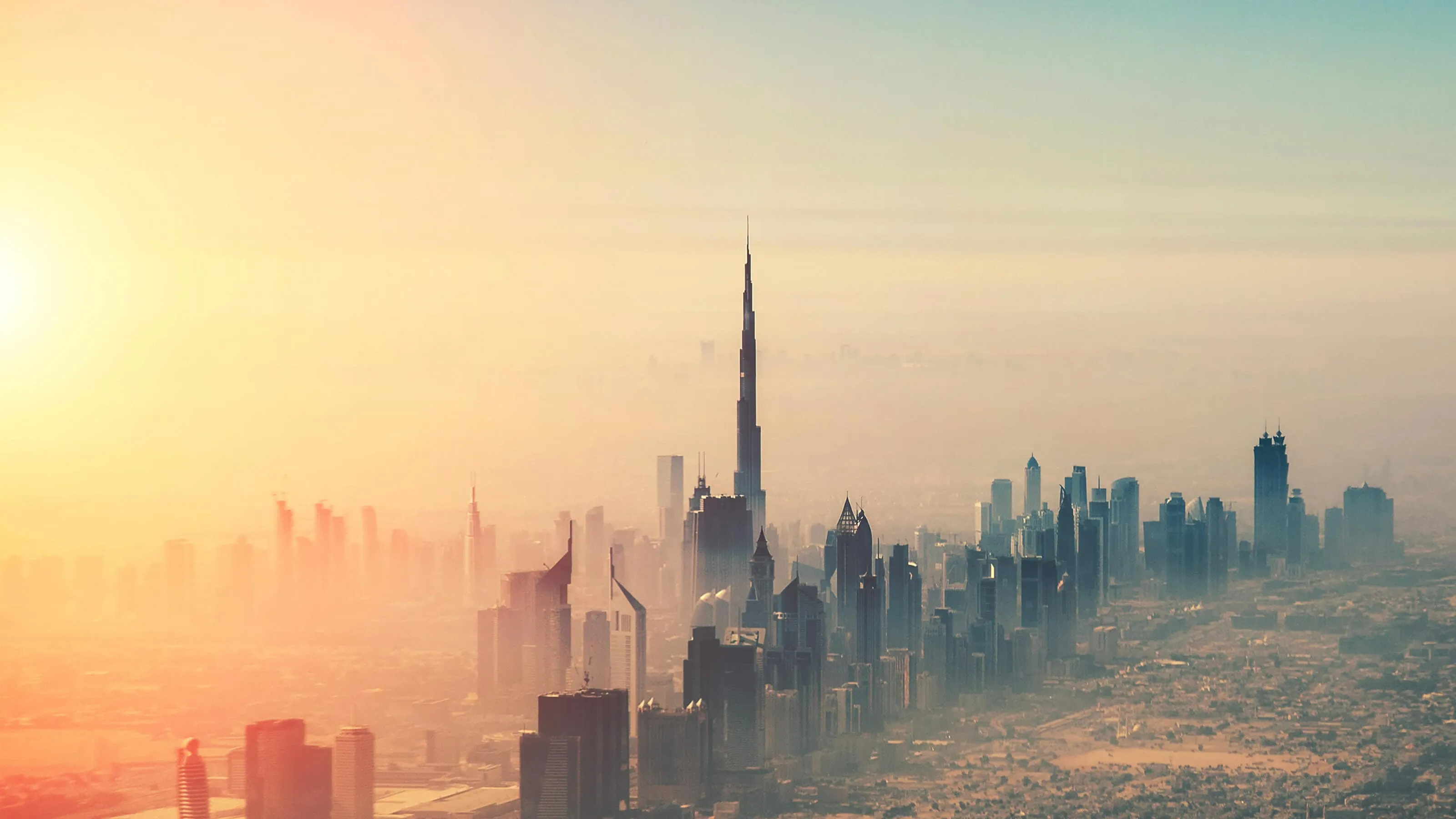
Dubai’s story spans nomadic ingenuity, maritime trade, visionary leadership, and audacious modern projects — a transformation from creek-side settlement to global metropolis.
Ancient Origins & Early Settlement (Prehistory → 1833)
Bedouin Nomads & Early Inhabitants
Archaeological evidence points to habitation near Dubai dating back over 3,000 years to the Bronze Age. Bedouin tribes practiced nomadic herding, fishing, and date farming in oases dotted across the Arabian Desert.
The Bani Yas Tribe
The Bani Yas tribal confederation — including the Al Maktoum family — dominated vital water sources and inland trade routes, strategically establishing coastal settlements where fresh water met the sea.
Pearl Diving & Fishing Heritage
Before oil, Dubai’s lifeblood was pearl diving, fishing, and maritime trade. The natural deep-water Dubai Creek (Khor Dubai) sheltered dhow fleets and opened routes to India, East Africa, and Gulf ports.
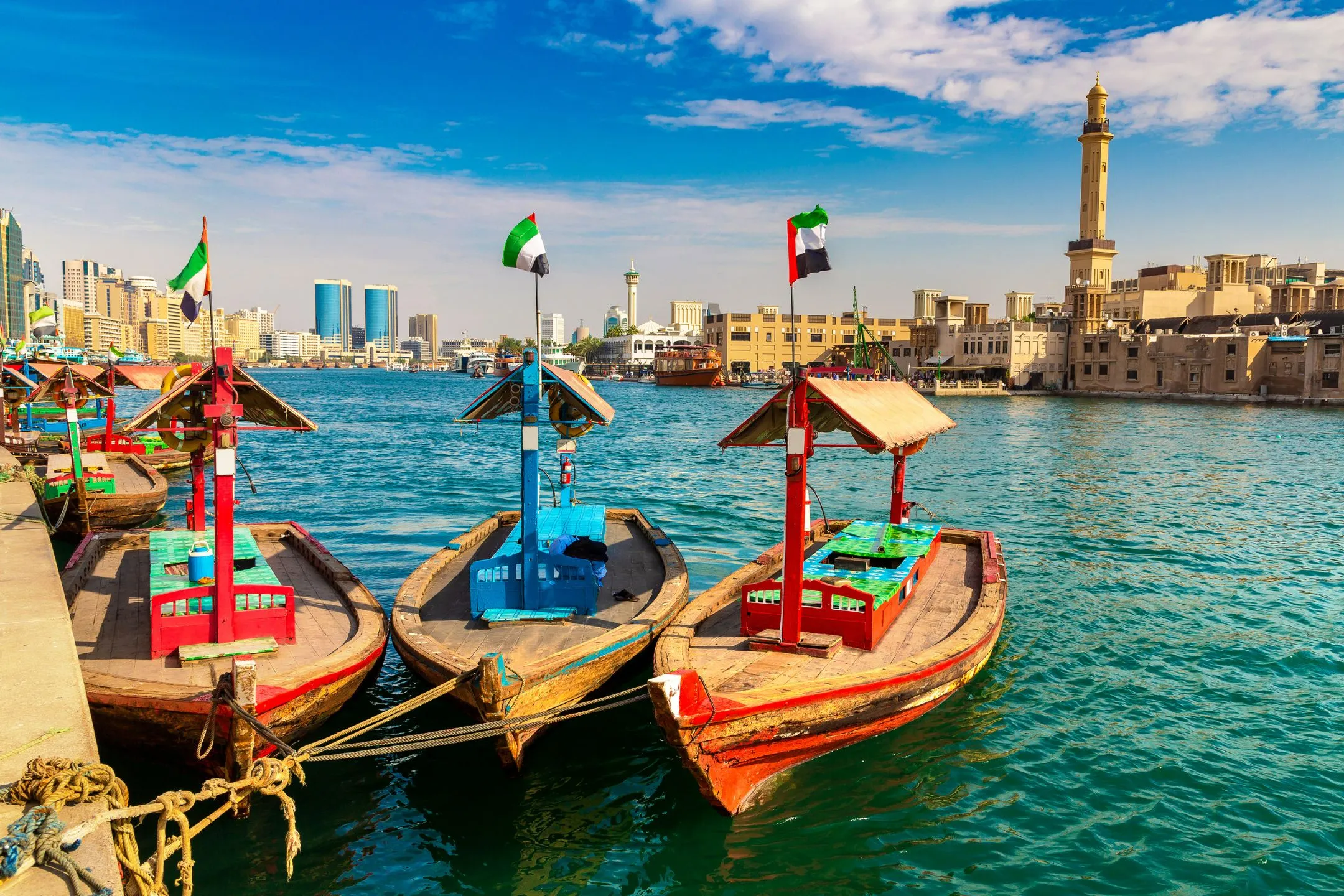
Tip: Visit the creek area to trace the maritime rhythms that powered early Dubai — boatbuilding, net mending, and pearl markets.
Historic Dubai Creek
The creek shaped governance, commerce, and culture — a natural harbor that amplified Dubai’s role as a trading entrepôt.
Al Maktoum Dynasty Begins (1833 → 1958)
Foundation of Modern Dubai (1833)
In 1833, ~800 members of the Bani Yas tribe led by Sheikh Maktoum bin Butti Al Maktoum settled at the mouth of Dubai Creek — the start of the Al Maktoum dynasty which still rules Dubai. Trade and pearling accelerated the settlement’s growth.
British Protection Era (Treaties)
| Year | Agreement | Context |
|---|---|---|
| 1820 | General Maritime Treaty | Curb piracy; stabilize Gulf trade |
| 1853 | Perpetual Maritime Truce | Trucial States framework |
| 1892 | Exclusive Agreement | Britain manages foreign relations & defense |
Economic Challenges (1930s)
The Great Depression and cultured pearls from Japan hit Dubai’s pearl economy hard. Merchants adapted, pivoting into gold trading, textiles, and re-exports — the seed of Dubai’s future as a regional commerce hub.
Oil Discovery & Early Development (1958 → 1971)
Oil Discovery (1966)
Dubai discovered oil later than neighbors and in modest quantities — an advantage. Leadership chose to use revenues to build infrastructure and diversify, rather than depend long-term on oil.
Sheikh Rashid’s Vision
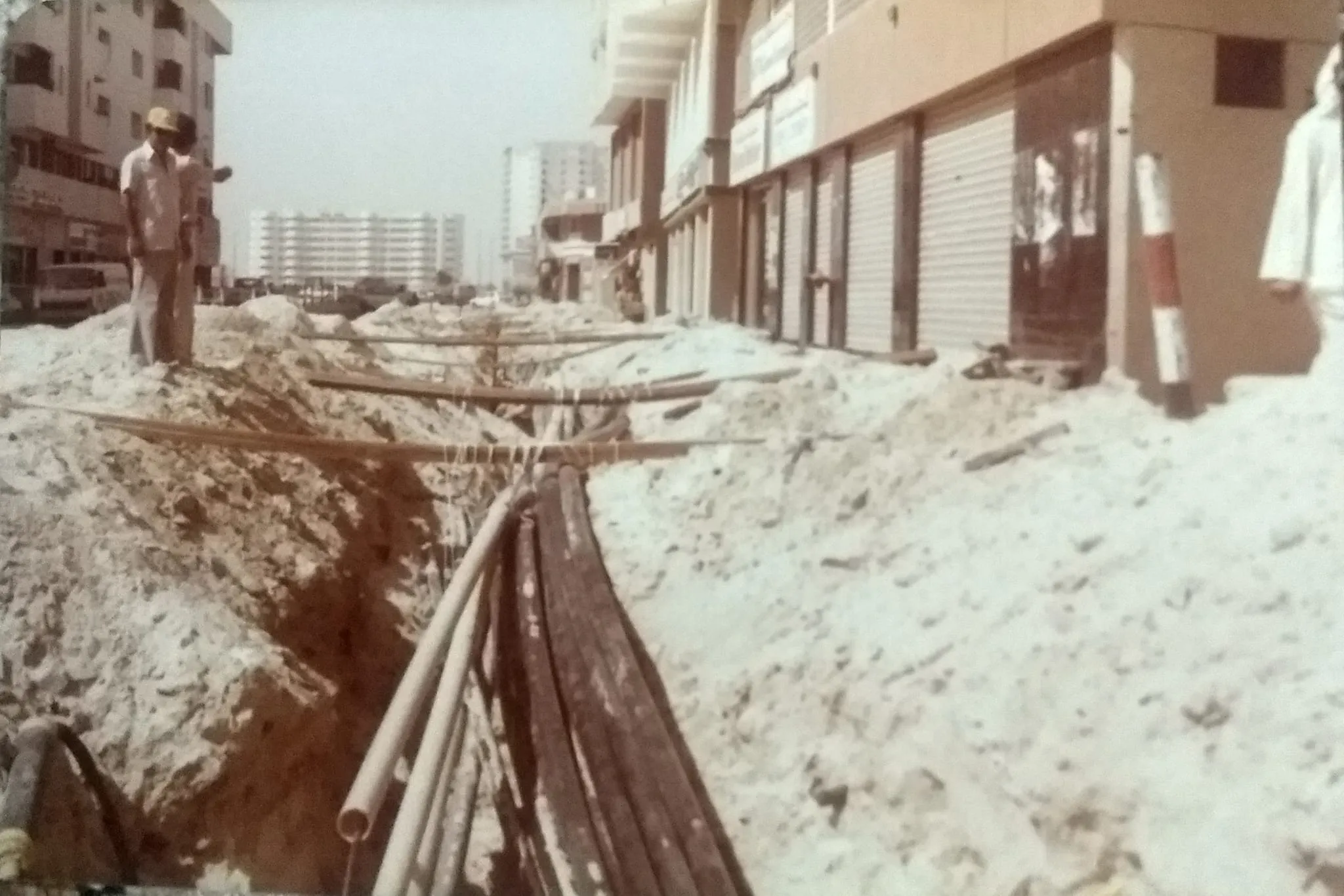
Sheikh Rashid bin Saeed Al Maktoum (1958–1990), known as the “Father of Dubai,” drove strategic projects: dredging Dubai Creek (1961), building Port Rashid (1972), and opening Dubai’s first airport (1960).
Economic Diversification Begins
Even with oil funds, the focus stayed on trade: world-class ports, flight connectivity, and business-friendly policies — laying foundations for a diversified economy.
UAE Formation & Growth (1971 → 1990s)
Birth of the United Arab Emirates (1971)
On December 2, 1971, Dubai joined Abu Dhabi and five other emirates to form the United Arab Emirates after Britain’s withdrawal. Sheikh Rashid became the UAE’s first Prime Minister and Vice President.
Infrastructure Boom
| Year | Project | Note |
|---|---|---|
| 1972 | Port Rashid opens | Modern deep-water port |
| 1979 | Jebel Ali Port begins | World’s largest man-made harbor |
| 1985 | Emirates airline founded | Later: world’s largest international carrier |
| 1985 | Jebel Ali Free Zone | Pioneering free trade zone model |
| 1996 | Dubai Shopping Festival | Tourism & retail catalyst |
Tourism Development (1980s–1990s)
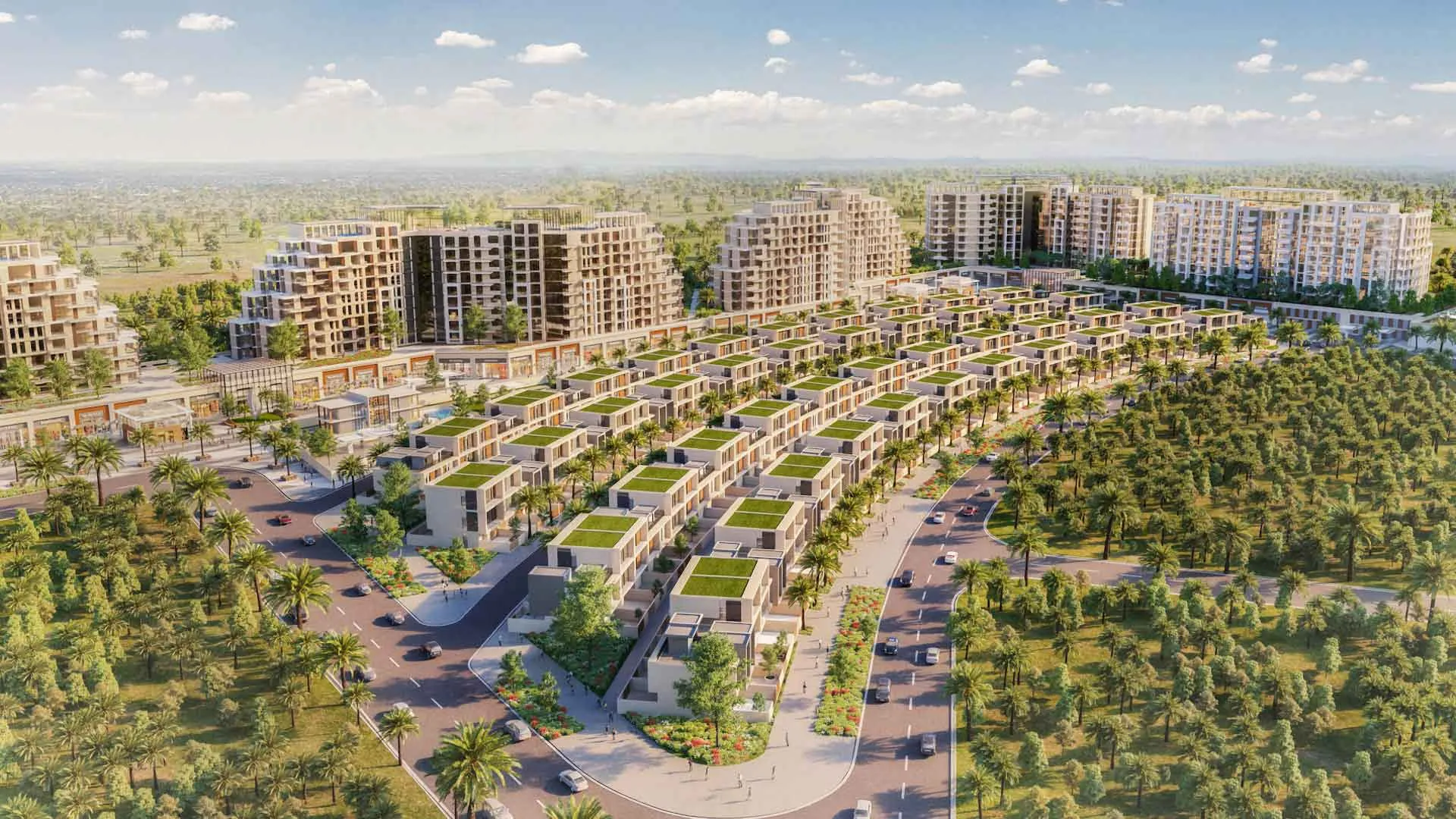
Dubai positioned itself as a luxury destination with hotels, attractions, and global marketing — “Shopping, Sun & Sand” became the city’s calling card.
Modern Dubai Emerges (2000 → Present)
Sheikh Mohammed’s Leadership
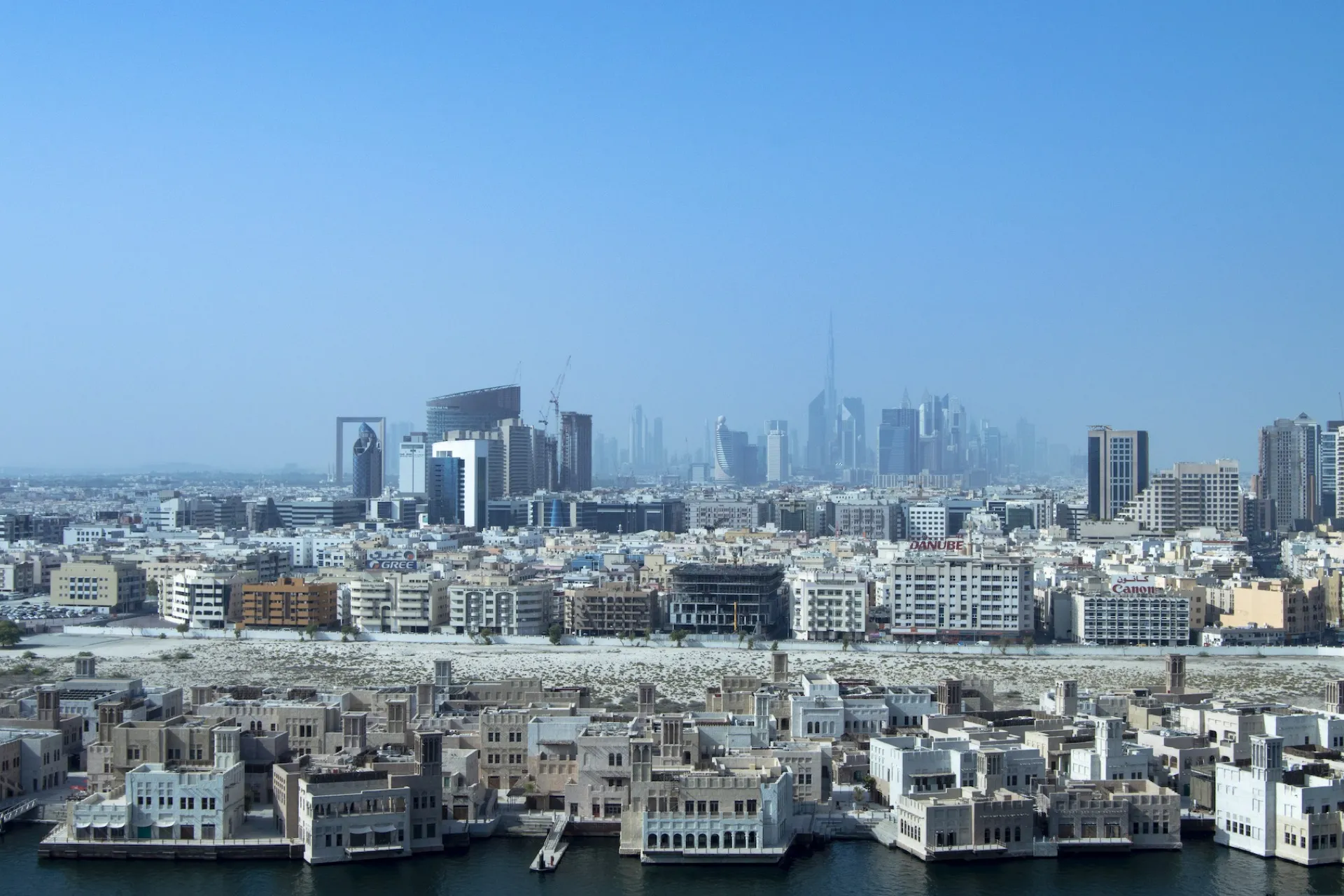
Since 2006, Sheikh Mohammed bin Rashid Al Maktoum has accelerated Dubai’s transformation with record-breaking projects and innovation.
Landmark Developments
| Year | Landmark | Note |
|---|---|---|
| 1999 | Burj Al Arab | Iconic sail-shaped luxury hotel |
| 2001 | Palm Jumeirah | First artificial archipelago |
| 2004 | Internet/Media City | Global tech/media magnet |
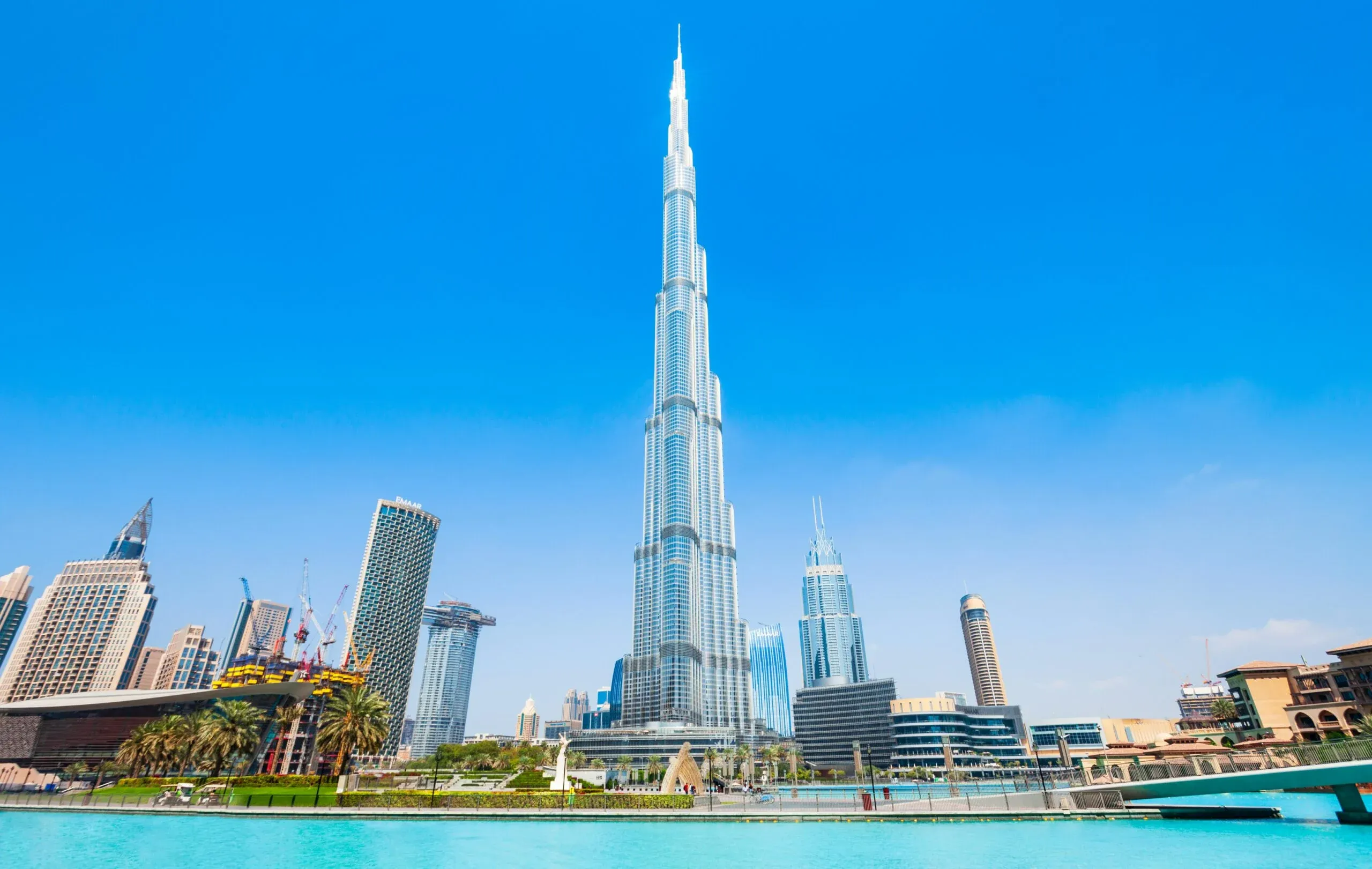
| 2009 | Burj Khalifa | Tallest building: 828 m |
| 2009 | Dubai Metro | Longest automated metro |
| 2010 | Dubai Mall | One of the largest malls |
| 2016 | Parks & Resorts | Multi-park destination |
| 2020 | Museum of the Future | Futuristic architecture |
| 2021–2022 | Expo 2020 Dubai | First World Expo in MENA |
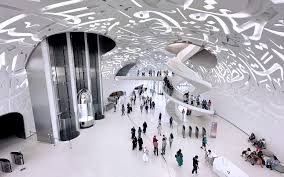
Economic Diversification Success
Oil contributes < 1% of Dubai’s GDP today. The city thrives on tourism, aviation, real estate, finance, and technology — anchored by connectivity and ambition.
Must-Visit Historical Sites (Heritage Route)
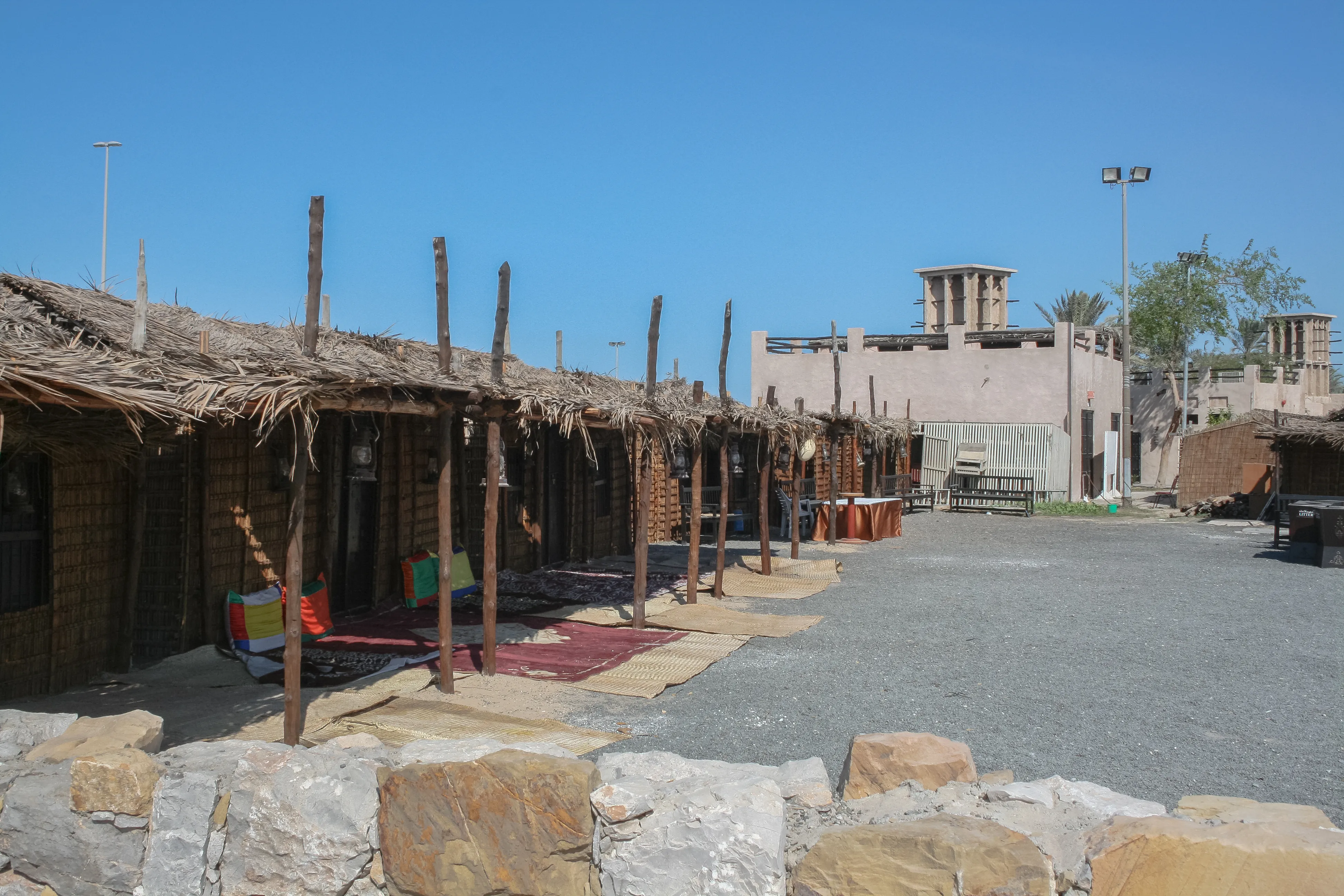
- 🏛️ Al Fahidi Fort (Dubai Museum) — built 1787; exhibits on traditional life and archaeology.
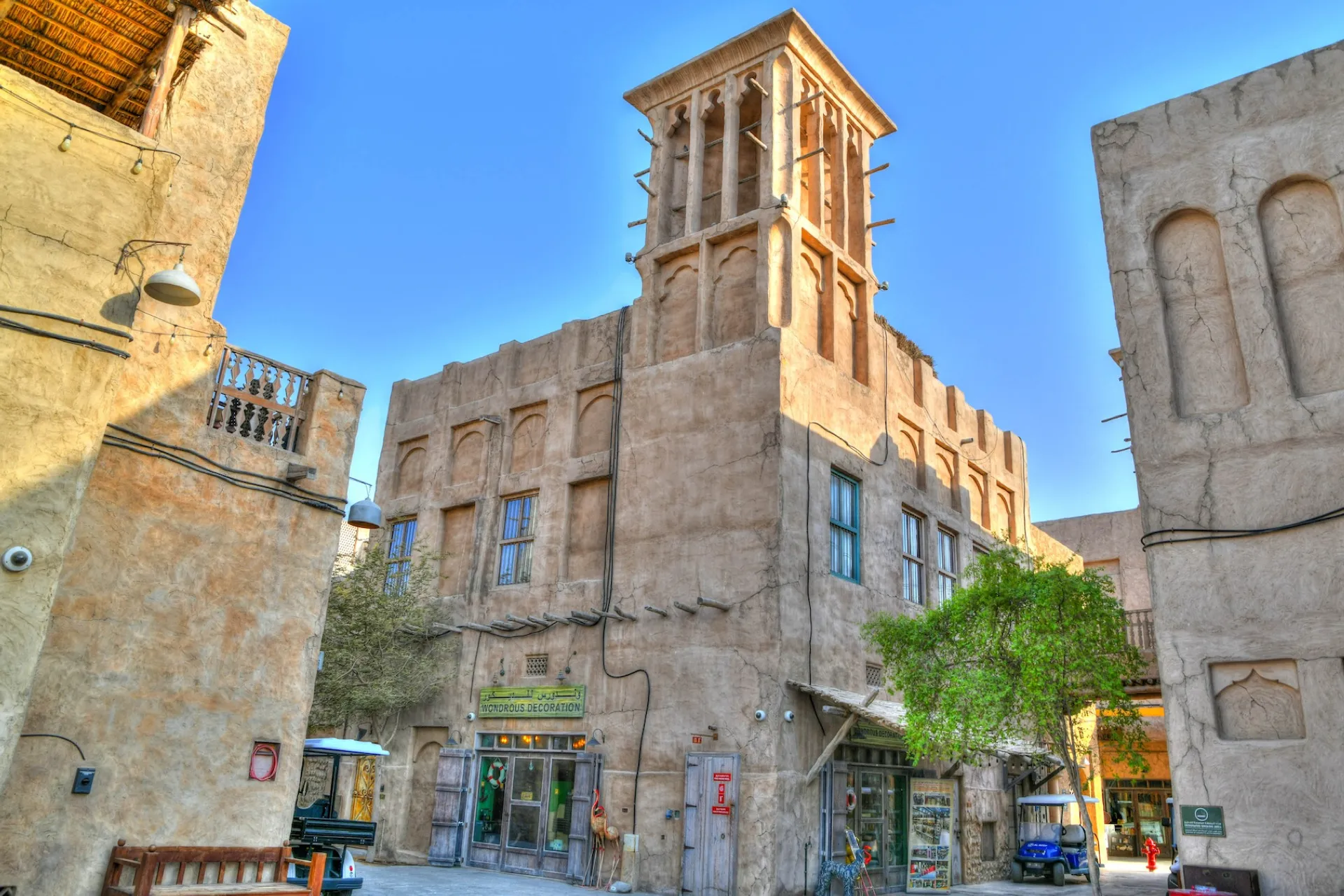
- 🕌 Al Fahidi Historical District — wind towers (barjeel), narrow lanes, courtyard houses; art and cultural centers.
- 🏺 Heritage Village (Shindagha) — living museum with pearl diving, pottery, weaving, boat building.
- 🏛️ Sheikh Saeed Al Maktoum House — maritime history, pearl heritage, early photography; views of the creek.
- 🕌 Jumeirah Mosque — Fatimid-style architecture; guided tours for non-Muslims.
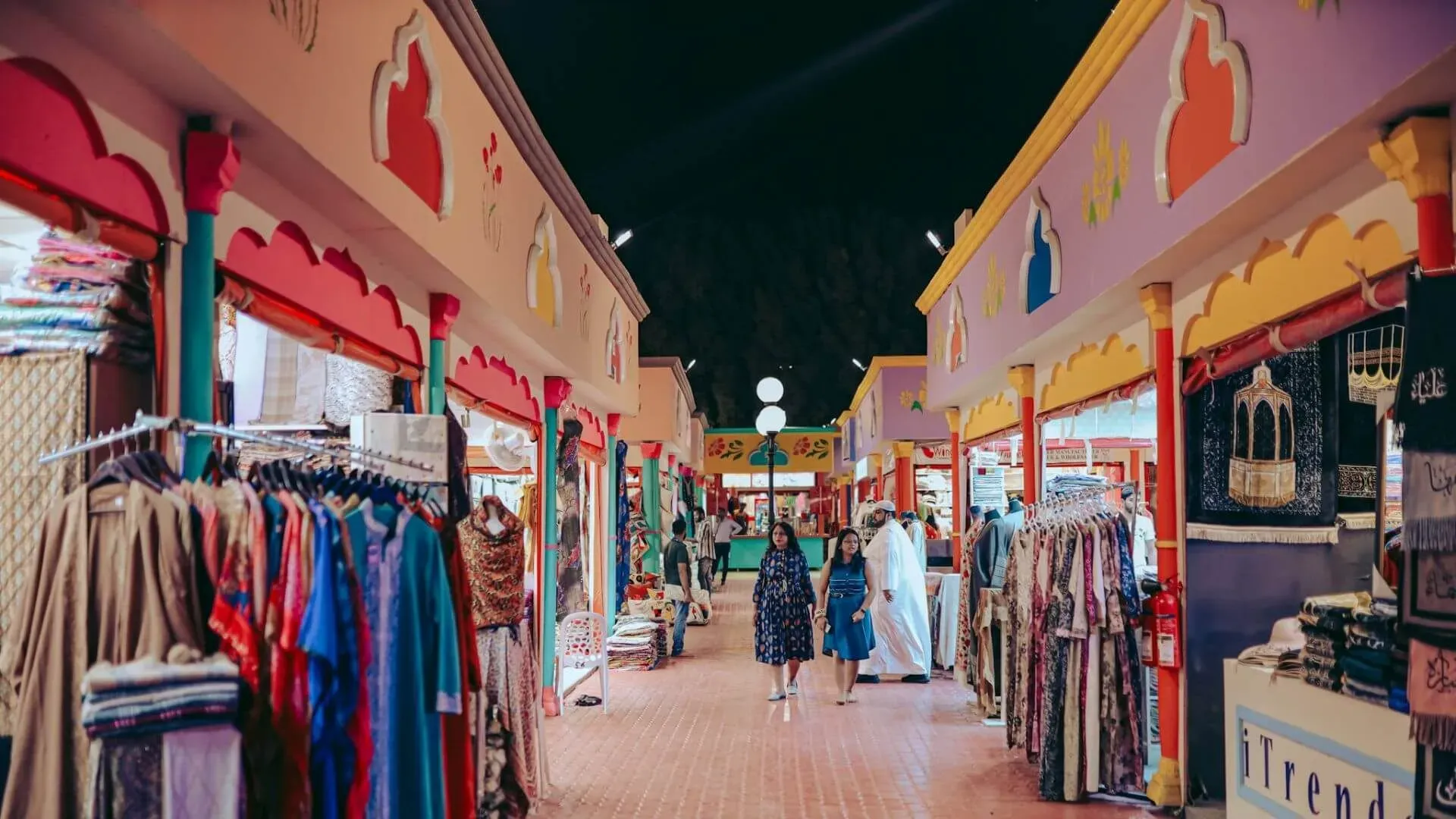
- 🛍️ Dubai Gold & Spice Souks (Deira) — century-old markets preserving trading traditions.
Historical Timeline (Cheat Sheet)
| Year | Milestone |
|---|---|
| 3000 BC | Bronze Age settlements near Dubai |
| 1580s | Venetian pearl merchant references Dubai |
| 1793 | Al Fahidi Fort built |
| 1833 | Al Maktoum family settles at Dubai Creek |
| 1892 | Exclusive Agreement with Britain |
| 1902 | Tax-free trading status established |
| 1950s | Creek dredging expands capacity |
| 1960 | Dubai International Airport opens |
| 1966 | Offshore oil discovered |
| 1971 | UAE formed (Dec 2) |
| 1979 | Jebel Ali Port opens |
| 1985 | Emirates airline founded |
| 1996 | First Dubai Shopping Festival |
| 1999 | Burj Al Arab opens |
| 2001 | Palm Jumeirah construction begins |
| 2006 | Sheikh Mohammed becomes Ruler of Dubai |
| 2009 | Burj Khalifa & Metro open |
| 2020 | Museum of the Future opens |
| 2021–2022 | Expo 2020 Dubai hosted |
Visiting Tips (Make History Click)
- Start at Al Fahidi District before the heat builds.
- Book a guided creek walk for context.
- Pair heritage sites with souks for a full day.
- End at Museum of the Future for the “past → future” arc.
Bottom Line: Dubai’s identity is a layered narrative — desert resilience, creek commerce, strategic treaties, visionary infrastructure, and modern ambition.
About the Author

Dubai Travel Expert
I built this guide to make your Global Village night simple, delightful, and full of insider tips — from quiet corners for photos to the best snack runs between shows. 😊
Tags
Comments (0)
Loading comments...